Talks of glaciers, biodiversity and forest ecosystems in the Piedmont capital.
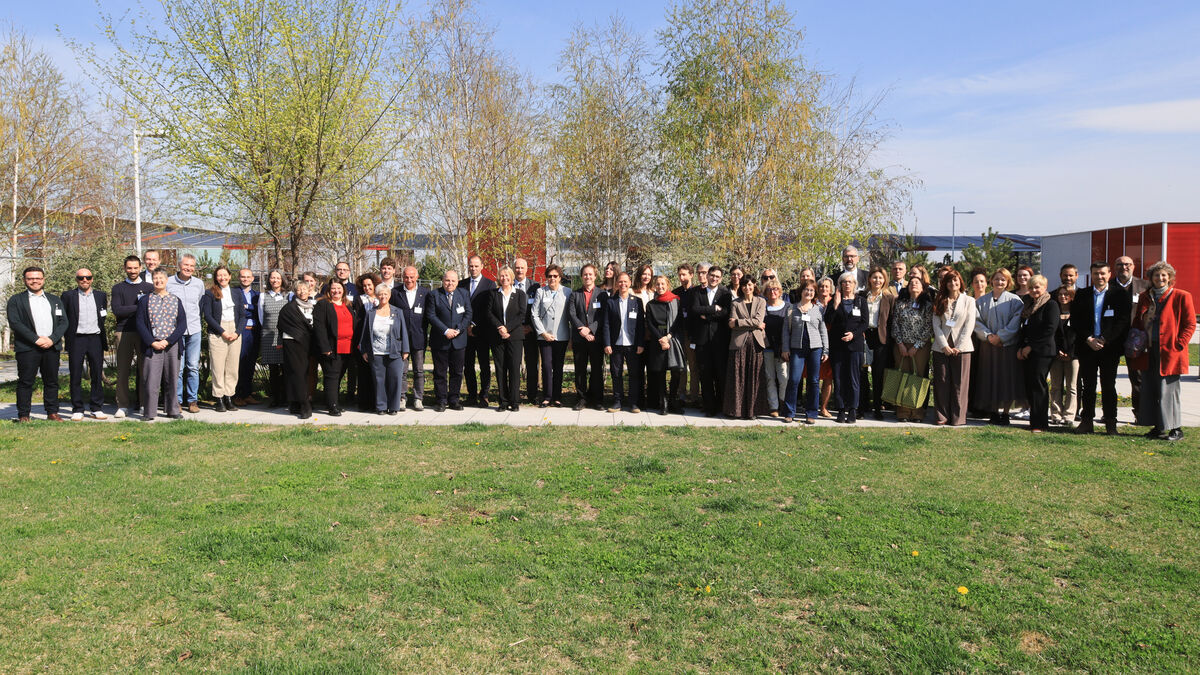
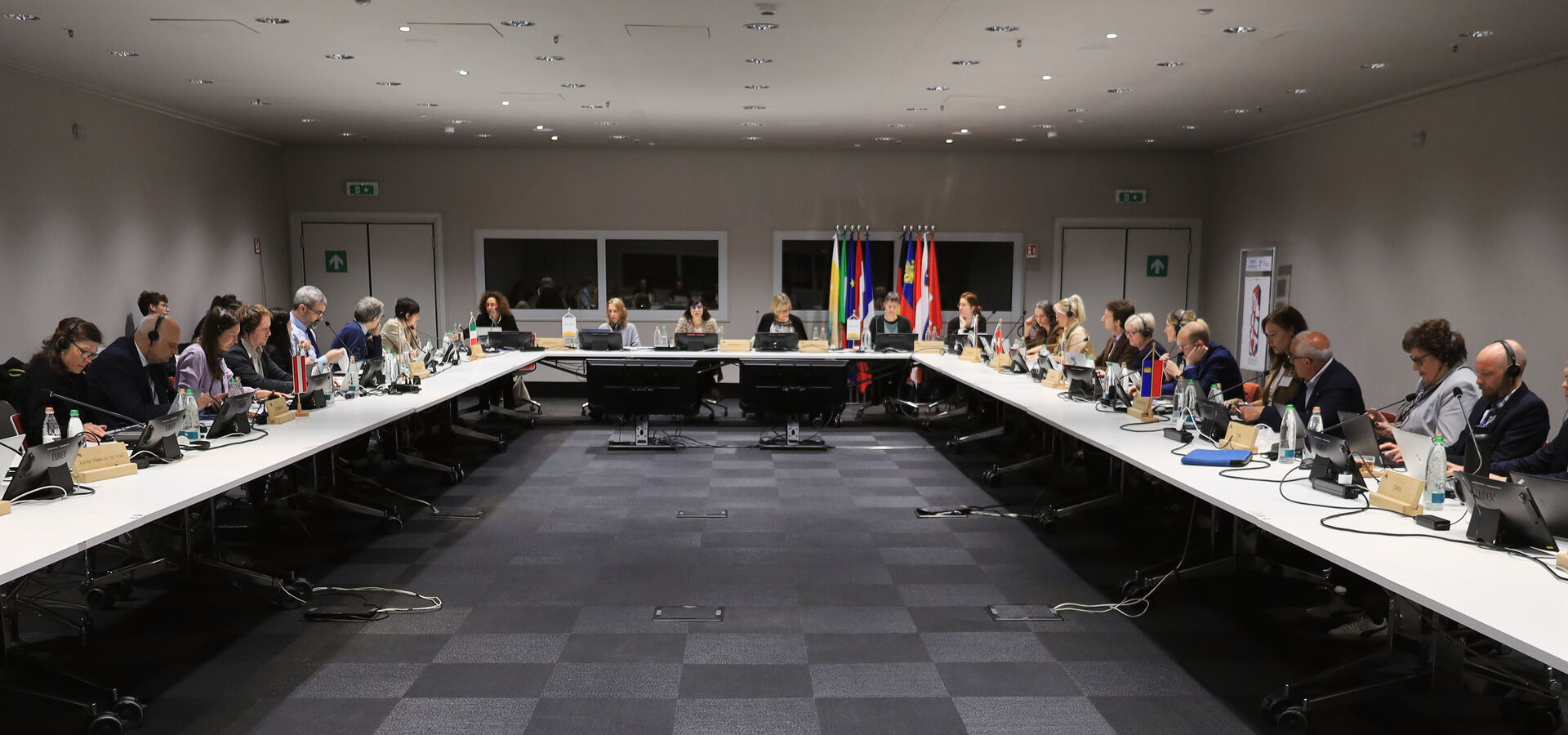
Last week on 25 and 26 March, the Alpine Convention Contracting Parties and Observer organisations met in Turin (IT) in the conference centre of the Piedmont region, where the meeting was officially opened by remarks from Marco Gallo, Regional Minister for Mountain and Territorial Development.
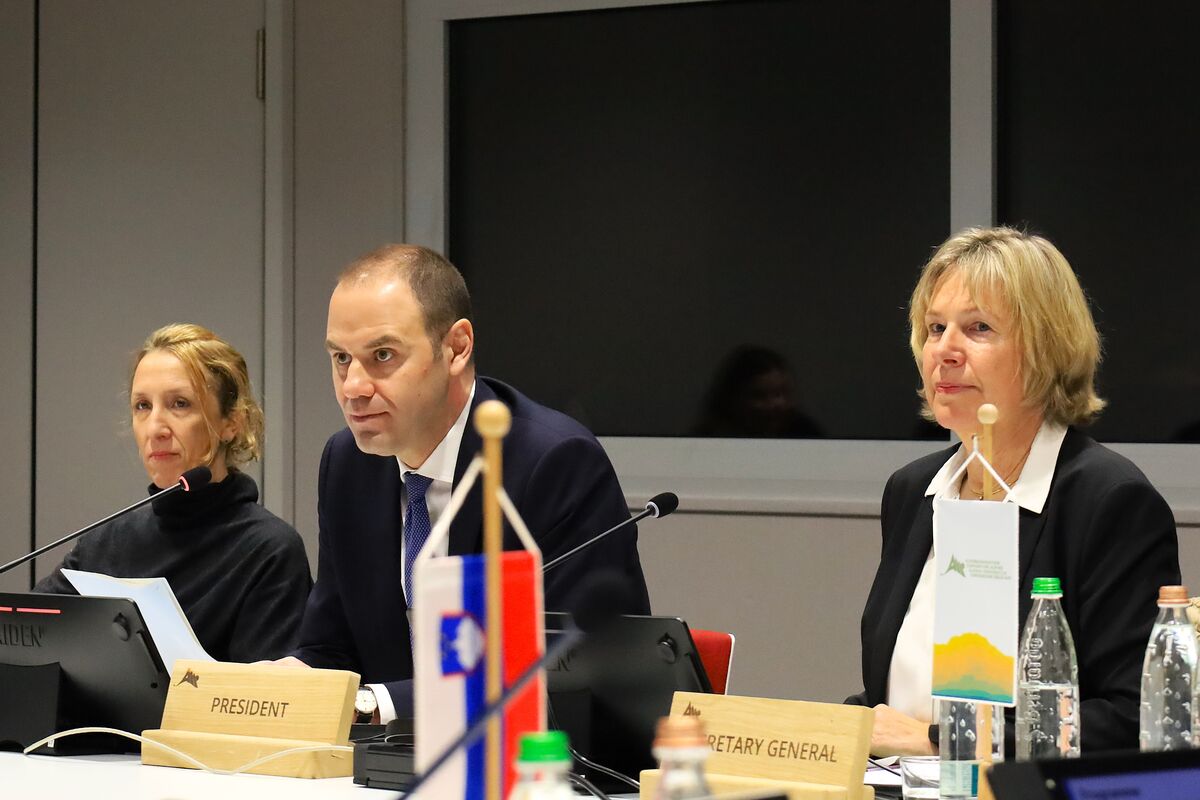
The Italian Presidency gave an update on the latest progress of the implementation of their Programme and reinstated the importance of prioritising climate change, biodiversity, and alpine population & culture for a sustainable life in the Alps.
The advancement of the 11th Report on the State of the Alps (RSA11) on Alpine glaciers, permafrost, and the water cycle was discussed, including the first draft of policy recommendations.
The Presidency then outlined the draft Alpine Biodiversity Action Plan, structured along the four pillars of conservation, connectivity, restoration, and observation.
Continuing with the theme of climate resilience, the Presidency thanked the Parties and Observers for the more than 80 local adaptation practices collected, the preliminary analysis of which will be presented during the ForumAlpinum in May.

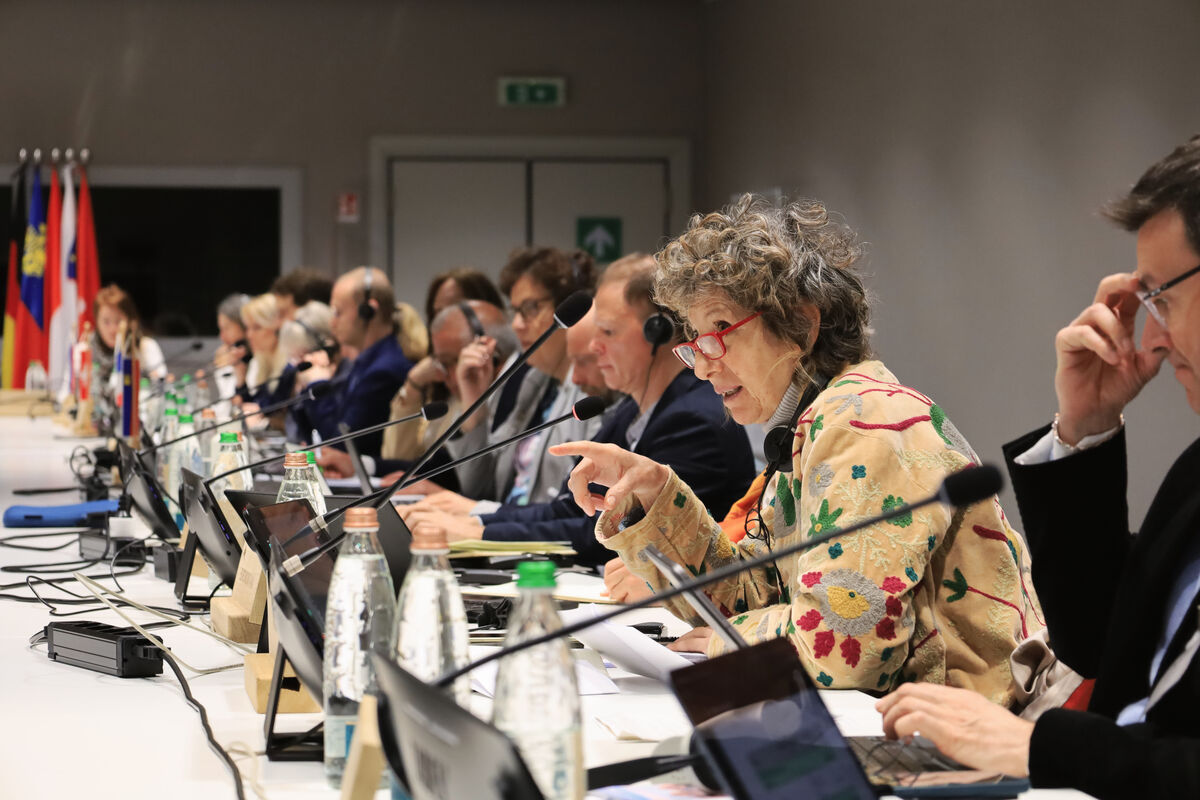
An update on the work of the Alpine Culture Task Force was also given; it is focusing on intangible cultural heritage and currently carrying out an Alpine-wide survey on Alpine food heritage.
Furthermore, the parties discussed the upcoming German Presidency (2026/2027) which offered a glimpse on its programme, with seven priorities for the mandate: Nature-based Solutions, Biodiversity, Sustainable Tourism, Environmental Education and Youth Participation, Spatial Planning, Risk Communication, and Mountain Agriculture.
For its part, the Permanent Secretariat presented its 2025 Activity Report showcasing the initiatives, projects, and events organised or supported by the Secretariat. The new video on Quality of Life in the Alps, was also unveiled during the event.
The delegates were introduced to the results of the Forest EcoValue Interreg Alpine Space project and some of them attended the project’s subsequent final conference. The project provided evidence-based results on how to support sustainable management of forests, with a focus on market frameworks and payment systems for the forest ecosystem services.